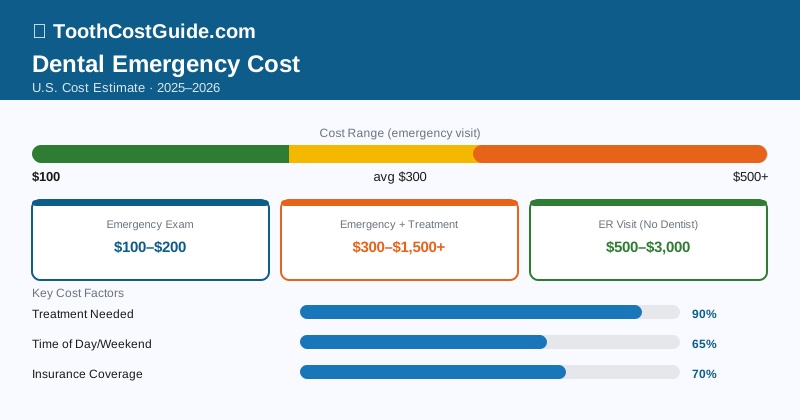
A dental emergency visit costs $100–$500 for the exam and diagnosis alone, before any treatment is performed. Total cost depends entirely on what the emergency involves — a cracked tooth, knocked-out tooth, abscess, or lost filling all require different treatments at different price points. Emergency dental visits add a surcharge of $50–$200 on top of normal exam fees for after-hours or same-day appointments.
| Emergency Service | Cost Without Insurance |
|---|---|
| Emergency exam (limited, problem-focused) | $75–$200 |
| Emergency X-rays (1–4 films) | $25–$150 |
| After-hours or weekend surcharge | $50–$200 |
| Emergency tooth extraction (simple) | $75–$250 |
| Emergency root canal treatment (molar) | $1,000–$1,800 |
| Dental abscess drainage | $150–$400 |
| Re-cementing a crown | $75–$200 |
| Replacing a lost filling | $100–$300 |
| Broken denture repair | $100–$300 |
| Hospital ER dental visit (no treatment) | $500–$1,500+ |
What Affects the Cost of a Dental Emergency
Nature of the emergency. A knocked-out crown that needs re-cementing is a $75–$200 emergency. A severe dental abscess requiring drainage, antibiotics, and a subsequent root canal can run $1,500–$2,500. The exam fee is just the starting point — the actual treatment determines the total.
Time and day of the visit. Dental offices that accept emergency appointments during regular business hours charge their standard exam fee. After-hours emergency care — evenings, weekends, or holidays — typically adds a $50–$200 surcharge for the inconvenience to the dentist. Dedicated emergency dental clinics may have flat emergency fees.
ER vs. dental office. If you go to a hospital emergency room with tooth pain (not a dental emergency clinic), expect to pay $500–$1,500 for a visit that provides no actual dental treatment. ER doctors can prescribe antibiotics and pain medications for a dental infection, but they cannot perform dental procedures. Paying $1,000 at the ER to be referred to a dentist the next morning is a poor use of money. Call dental offices directly first.
Your existing dental records. A dentist who already has your X-rays and dental history can diagnose your emergency faster with less additional imaging. A new emergency patient typically needs at least 2–4 periapical films of the affected area, adding $50–$150 to the emergency visit cost.
Do not go to the hospital ER for a dental emergency unless you have swelling extending to your neck, difficulty swallowing, or difficulty breathing — these signs suggest the infection has spread to dangerous territory and require immediate medical attention. For standard tooth pain, abscess, or breakage, call a dental office directly.
Common Dental Emergencies and Their Costs
Severe toothache (pulpitis/abscess): When decay reaches the pulp (nerve) of a tooth, the resulting inflammation causes severe, often constant pain. The definitive treatment is a root canal ($700–$1,800) or extraction ($75–$550). The emergency visit includes an exam and X-rays to diagnose the source. A prescription for antibiotics and pain relief may be given to stabilize the situation before definitive treatment.
Knocked-out tooth (avulsion): A fully knocked-out permanent tooth is a true dental emergency — time matters. If the tooth is reimplanted within 30–60 minutes, survival chances are high. Beyond 2 hours, success drops significantly. Hold the tooth by the crown (not the root), rinse gently with water, and transport in milk or saliva. Reimplantation and splinting: $300–$600. Even with successful reimplantation, root canal treatment is almost always needed later.
Cracked or broken tooth: Depending on crack depth, treatment ranges from bonding ($300–$600) to a crown ($800–$1,800) to root canal + crown ($1,700–$3,600) to extraction if the crack is below the gumline. The emergency visit diagnoses severity.
Lost filling: An exposed cavity after filling loss is sensitive but rarely requires same-day definitive treatment. Emergency dentists can place a temporary filling ($50–$150) to protect the tooth until a permanent restoration appointment. Don’t ignore it — decay resumes immediately.
Lost or broken crown: A crown that falls off can often be re-cemented on the same emergency visit if the crown and underlying tooth structure are intact ($75–$200). If the tooth underneath has fractured, more extensive treatment is needed.
With vs. Without Dental Insurance
Emergency dental care coverage depends on your specific plan and the nature of the treatment.
Emergency exam fees: Most plans cover a problem-focused emergency exam at 80–100%, similar to routine exam coverage.
Emergency treatment: Whatever treatment is performed — extraction, root canal, temporary filling — is covered under the same rates as non-emergency treatment (50–80% for major procedures, after deductible).
After-hours surcharges: Most insurance plans do not cover after-hours premiums — these are paid out of pocket.
Hospital ER visits: Medical insurance (not dental) covers ER visits. Dental problems treated at the ER (antibiotics, pain prescriptions) may be covered under your medical plan’s ER copay — but the copay itself ($150–$500) plus cost-sharing means you’re still paying significantly.
How to Reduce Dental Emergency Costs
Prevent emergencies with regular dental care. The majority of dental emergencies are the result of untreated decay, gum disease, or cracked teeth that could have been identified at a routine exam. Regular checkups catch problems before they become emergencies.
Call your regular dentist first. Many dentists accommodate their own patients for same-day emergency appointments at no added surcharge. Established patients are prioritized over walk-ins at most offices.
Find community emergency dental clinics. Some communities have low-cost or sliding-scale emergency dental clinics operated by nonprofits or health departments. Search “[your city] emergency dental clinic” or call 211 for local health services referrals.
Dental school emergency clinics. Many dental schools operate emergency clinics that see unscheduled patients during school hours. Fees are 40–65% less than private offices. Best for non-life-threatening emergencies where same-day-urgent is flexible.
Dental discount plan members benefit even in emergencies — the 20–40% fee reduction at participating dentists applies to emergency visits just as it does to scheduled appointments. If you’re uninsured, a $99/year discount plan card in your wallet can meaningfully reduce an emergency bill.
Financing Options
Dental emergencies are by definition unplanned, making out-of-pocket payment challenging.
CareCredit for emergencies: Many dental offices can process a CareCredit application in minutes at the front desk, allowing you to cover emergency treatment with deferred interest financing. This is specifically useful for same-day emergencies requiring expensive root canals or extractions.
Personal/community resources: Some states operate dental emergency assistance programs for uninsured low-income patients. Contact your state dental association for referrals to reduced-cost emergency care.
Split treatment when possible: If the emergency visit stabilizes the situation (antibiotics, temporary treatment), you may have time to find more affordable definitive care rather than proceeding with the same provider at emergency pricing.
Bottom Line
Dental emergency visit costs range from $100–$500 for the exam itself, with treatment costs ranging from $75 for a lost filling to $3,000+ for an abscess requiring root canal and crown. With insurance, emergency exam fees are usually covered well; major treatment follows standard coverage rates.
Avoiding dental emergencies through preventive care is the most effective cost-reduction strategy. When emergencies do occur, call a dental office before heading to an ER — you’ll get faster treatment at a fraction of the cost.
Always get a written treatment plan before agreeing to any dental work. In a dental emergency, it’s acceptable to ask for an itemized estimate before proceeding with treatment beyond stabilization. Understanding the cost of each proposed treatment option allows you to make informed decisions even under stressful circumstances.